Healthcare practice design goes beyond aesthetics. By creating a ‘well-place’ environment, it will support the physical, mental and social well-being of everyone who interacts with the practice. Whether it is patients sitting in the waiting area, practitioners helping patients, or reception staff managing appointments, every element of a healthcare practice’s design should enhance the experience.
So how can you design a well-place that promotes a healthy, welcoming and efficient environment?
Designing for physical and mental well-being
A medical practice should provide a safe, clean and calming atmosphere to reduce patient anxiety and promote overall wellness.
Physical health
Physical health is a critical consideration in healthcare practice design. Here are a few key elements:
- Clean air and ventilation: Healthcare practices require excellent air quality to ensure that both patients and staff remain comfortable and safe. High-quality HVAC systems are essential to provide proper ventilation and filtration. Add natural elements like plants that enhance air quality and contribute to a calming environment.
- Access to clean water: Hydration is vital for overall health. In healthcare practices, this means ensuring that water fountains or filtration systems are accessible to both patients and staff.
- Movement: While healthcare practices might not have physical space to provide a dedicated room for exercise, creating areas where staff can stretch or take short walks during their breaks will help with physical well-being. Designing areas with appropriate seating arrangements and efficient movement between rooms helps staff remain energised and productive.
Mental health
Mental health is just as important as the physical in the design of healthcare practices. Focus on creating environments that reduce anxiety associated with medical visits. Here are a few strategies:
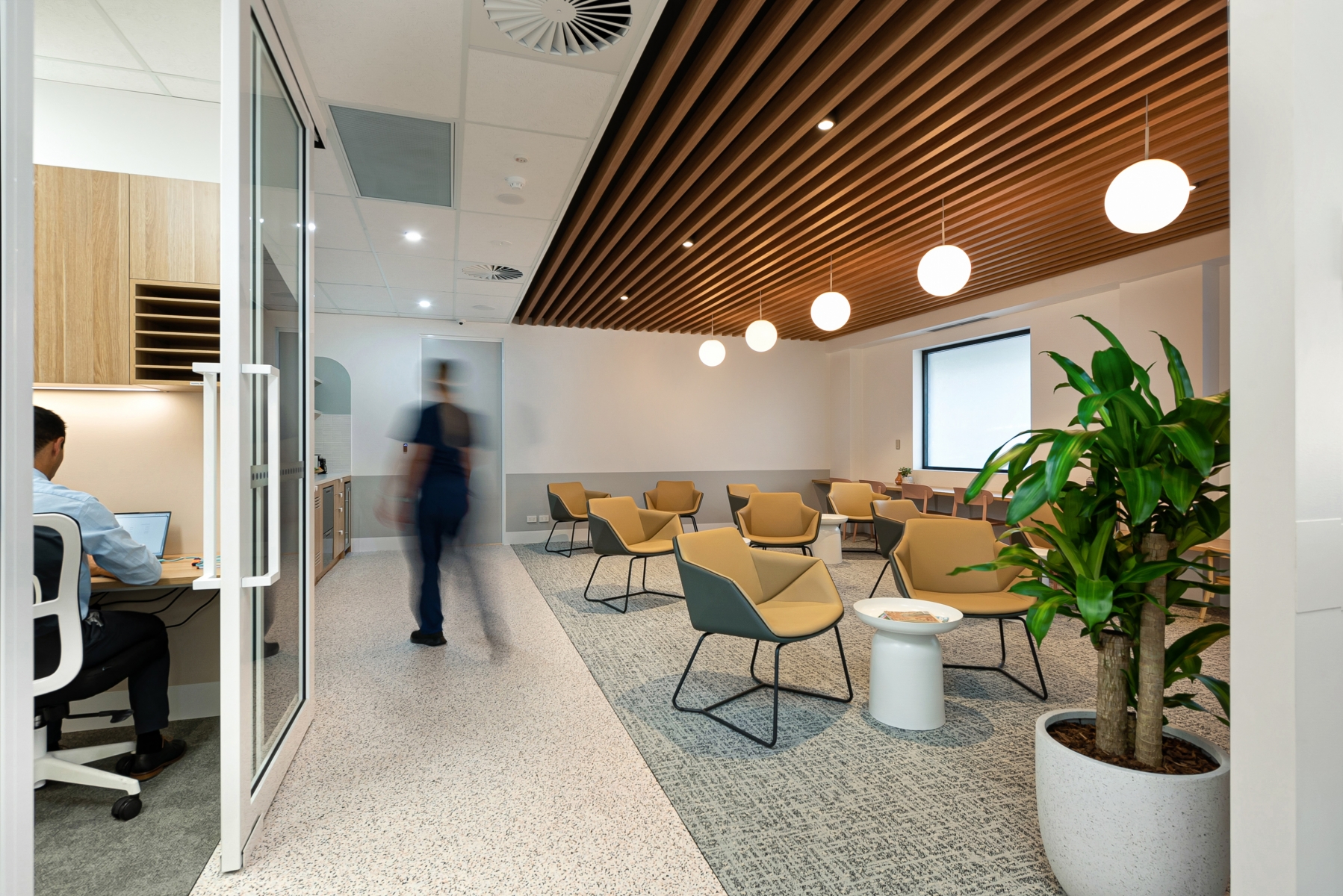
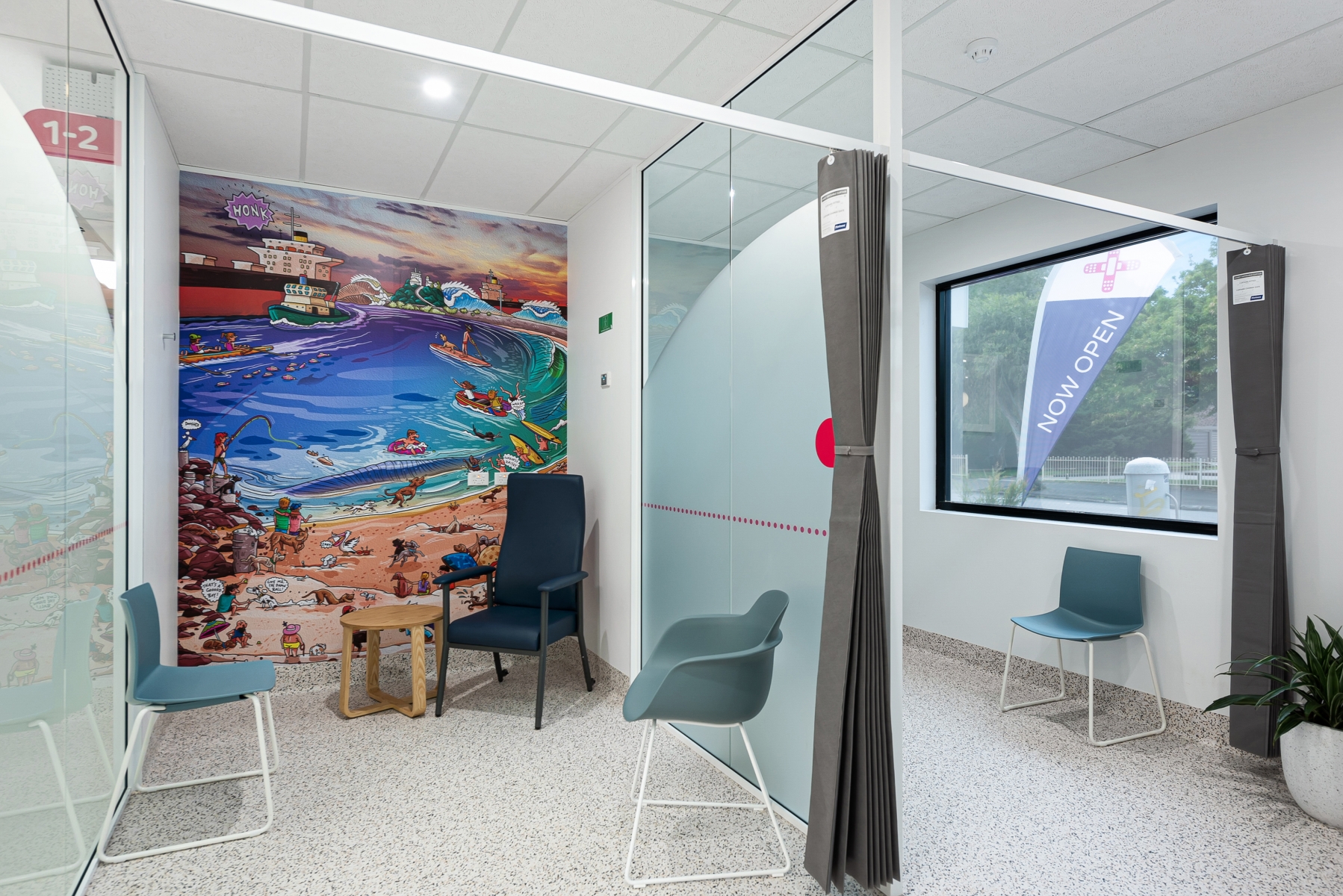
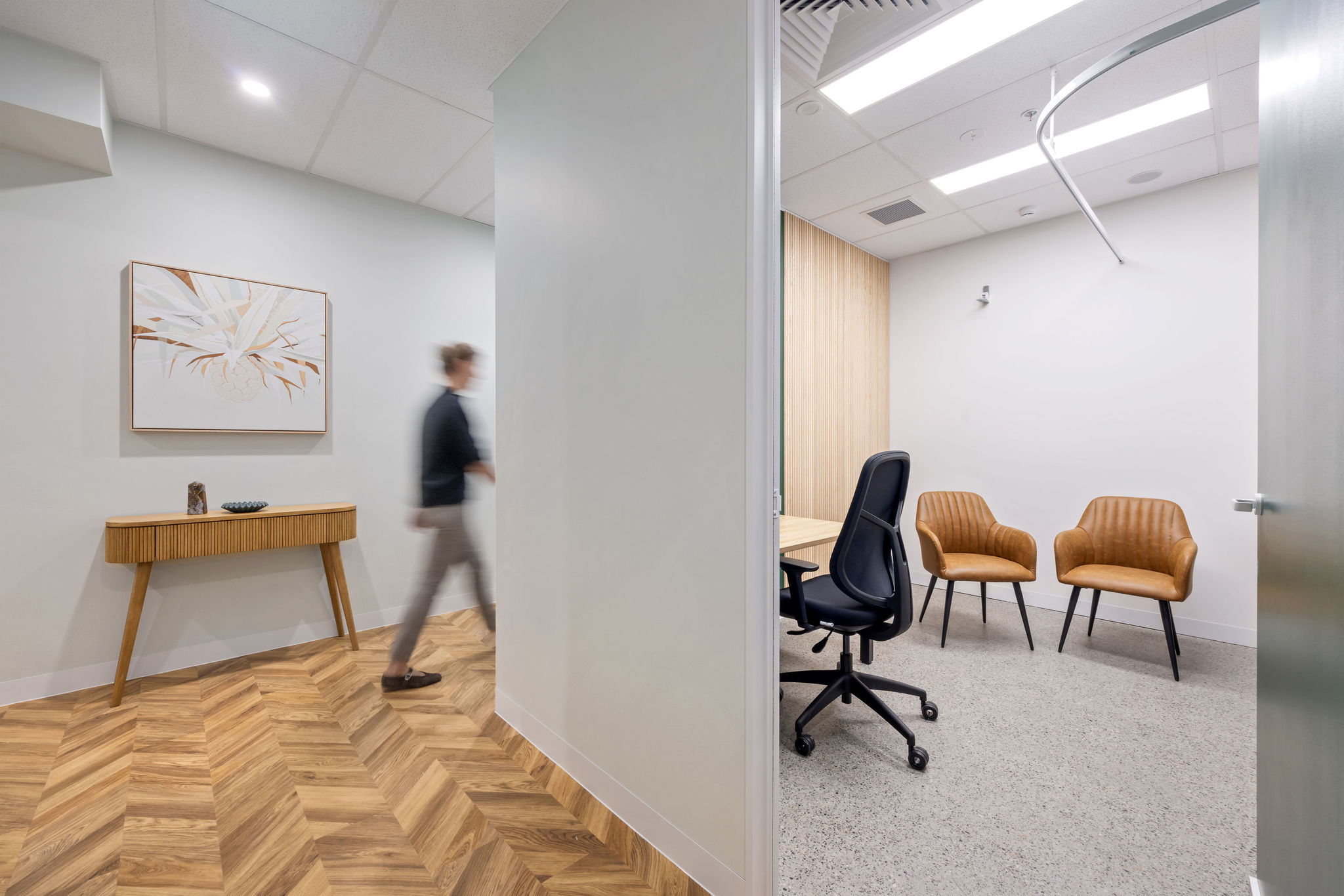
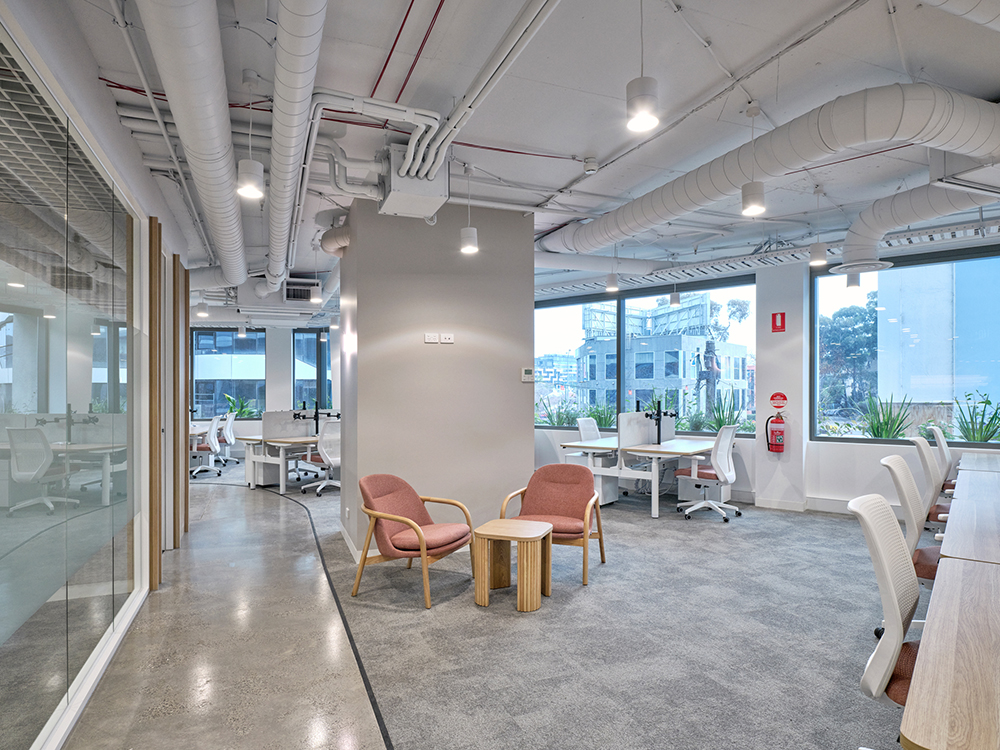
- Reducing stressors: Create environments that foster calm. For example, soft lighting, soothing colours and natural materials will create a relaxing atmosphere. The arrangement of furniture, artwork and other design elements helps reduce the clinical feel of a space and promotes a sense of calm.
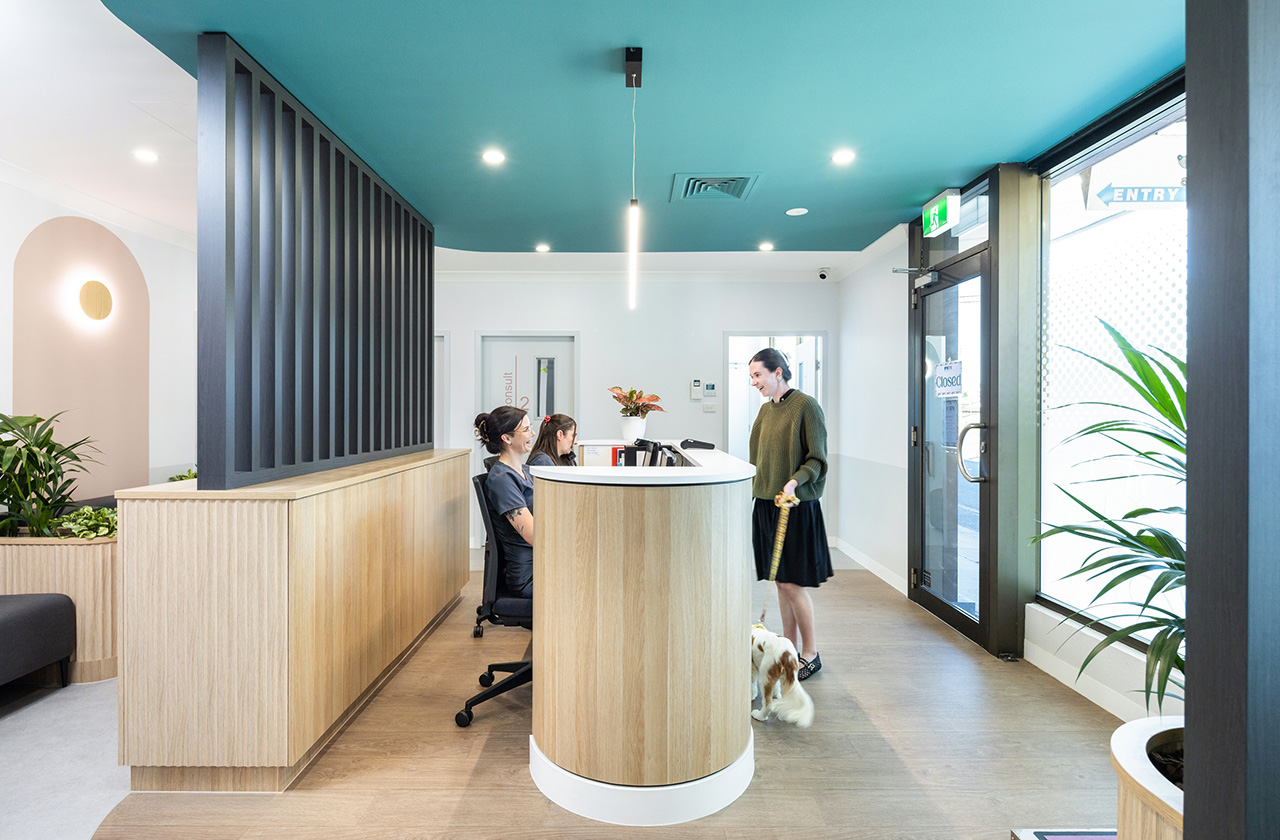
- Fostering a sense of community: A healthcare practice is not just a medical facility—it’s a place where relationships are built. Design spaces where patients, families and staff can feel like they belong. Open, welcoming waiting areas, private consulting rooms and team spaces all contribute to creating a sense of connection and community. Staff who feel part of a community will be loyal to your practice and motivated to perform to their best.
- Incorporating biophilic design: Biophilic design—bringing nature indoors—is proven to have mental health benefits. Indoor plants, natural wood finishes and large windows that allow natural light are examples of biophilic elements that help lower stress, improve mood and enhance cognitive function.
Safety and hygiene
Medical fit-outs should include:
Hand hygiene stations: Throughout the healthcare practice, strategically place hand hygiene stations to encourage regular hand washing.
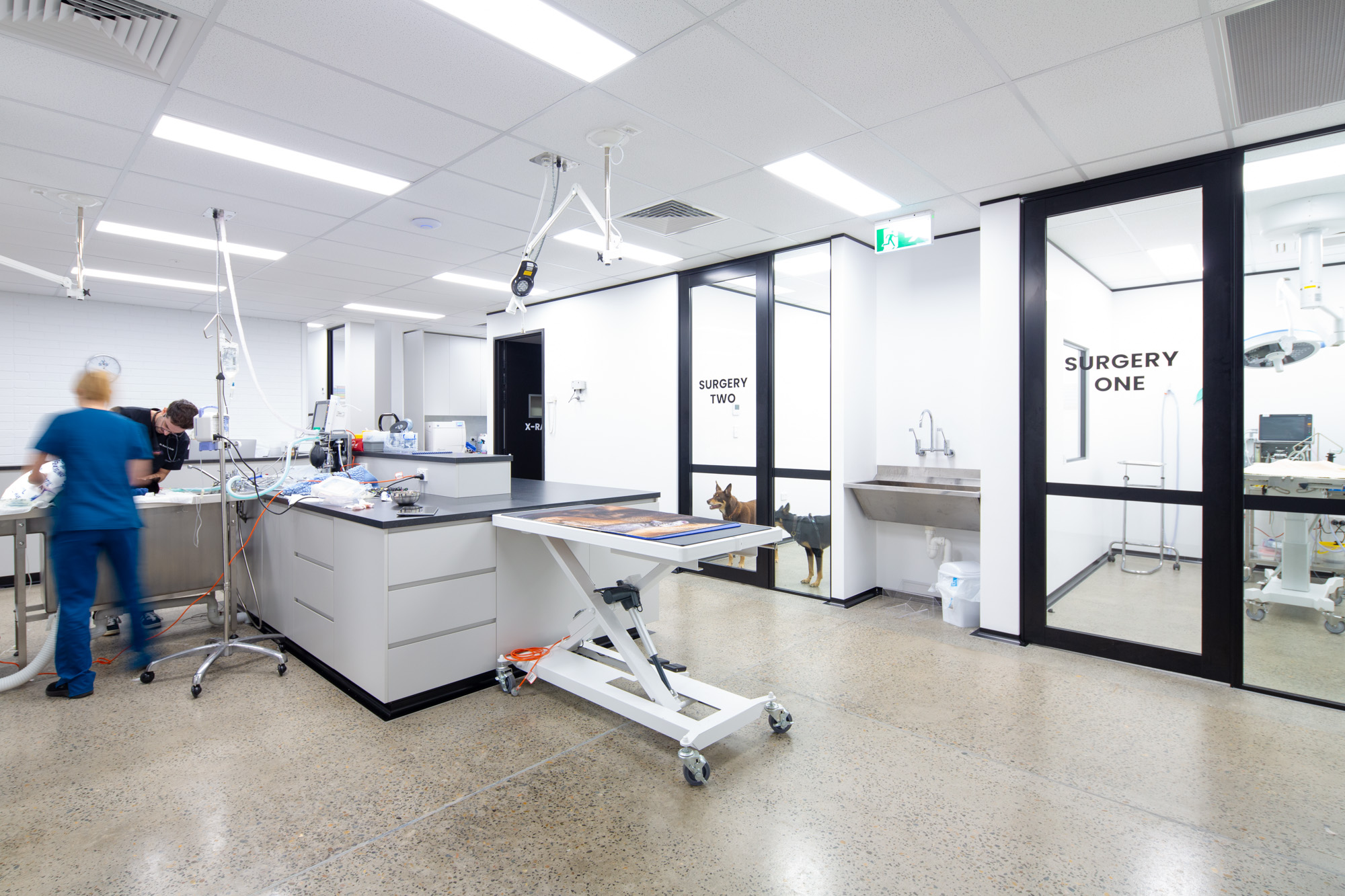
- Sterilisation areas: If your practice conducts medical procedures requiring sterilisation, ensure that sterilisation rooms are separate from treatment areas and designed according to industry standards. Evoke Projects follows protocols such as AS5369:2003 when designing medical spaces for sterilisation to minimise infection risks.
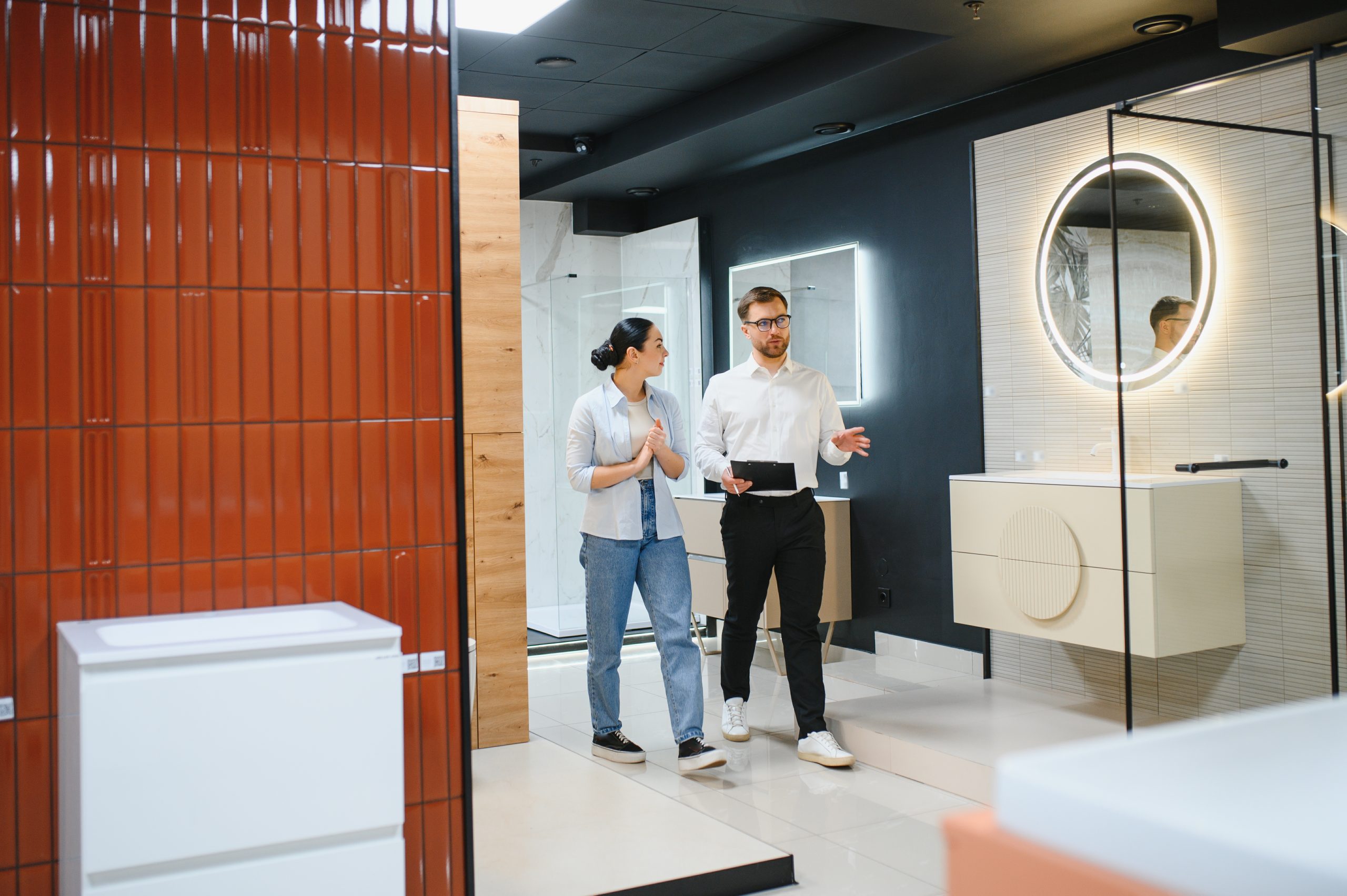
- Durable and hygienic materials: Choose durable, non-porous materials for countertops, plus floors and walls that are resistant to bacteria and surfaces that are easy to disinfect.
Designing well-places for healthcare practices
At Evoke Projects, we are passionate about designing spaces that promote the health and well-being of everyone who uses them. By adhering to our core philosophy of creating well-places, our practice designs promote wellness, safety and care.
Find out more by calling the Evoke Projects healthcare design team on 1300 720 692.