

Supporting your team’s physical, mental and emotional needs will help them perform at their best. They will be more engaged and motivated. Collaboration and teamwork will flow from the feeling of security and safety. Fewer health problems means lower absenteeism and higher energy levels in the workplace. Ultimately, your workplace will have an enhanced reputation that attracts and retains the best talent.
All of this means increased revenue and profits and a more successful business!
There are three aspects to a people-centric workplace.
The culture of a workplace comes from the top. Leaders set the tone in language, attitude and respect. This behaviour flows through the entire company culture. Communicate your business mission and goals. Encourage collaboration, honest feedback and respect. When people feel heard and valued, they are more committed to their employer. By showing people that they are valued, they value others too. This will positively impact the way they treat their colleagues and your potential and current clients.
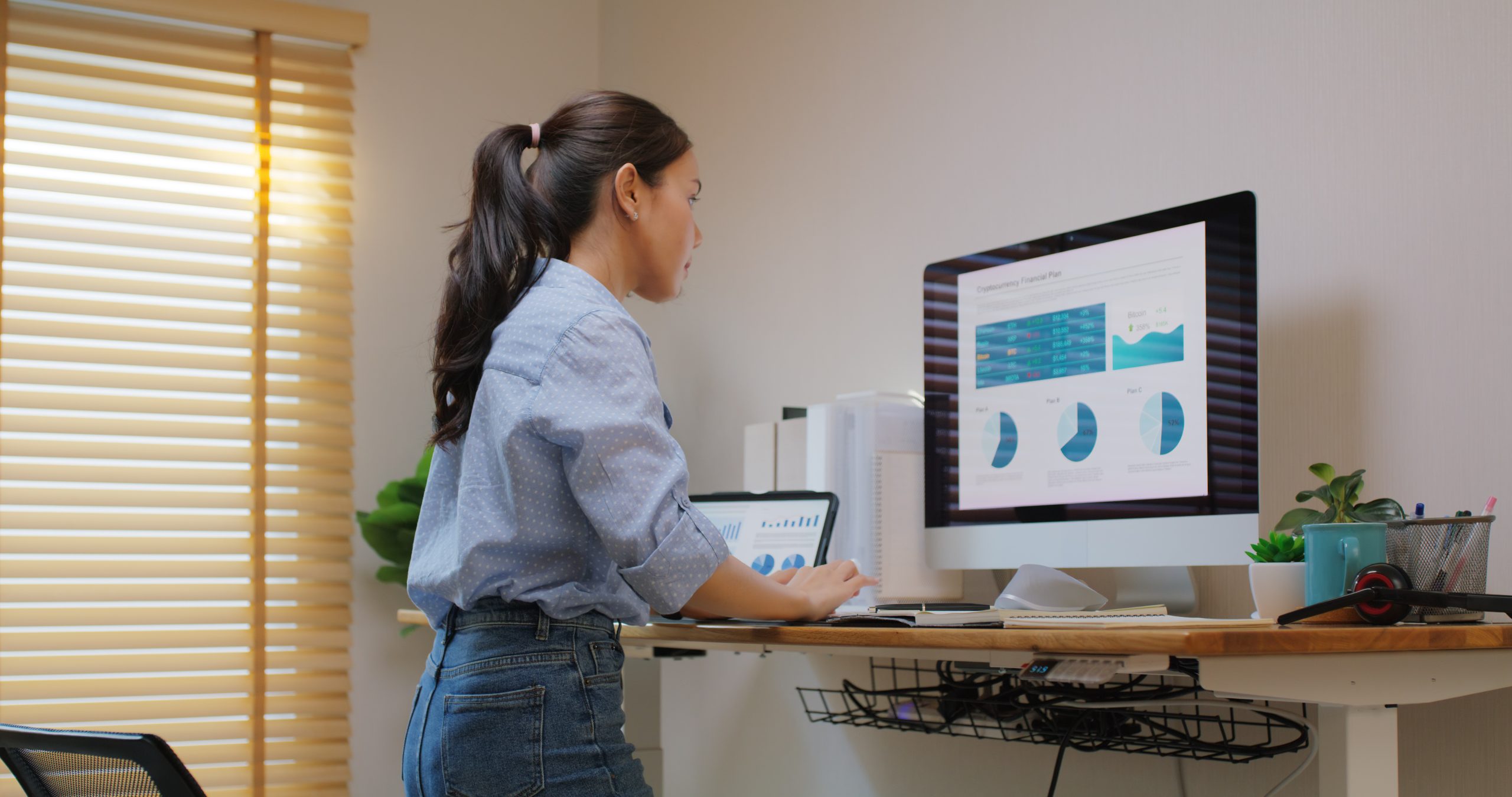
When your team are trying to perform at their best, don’t thwart them with a computer or a system that says no. Involve staff in process design and technology decisions. Lean principles will minimise waste and create more efficiency. Standardised systems and processes will reduce the room for error and risk. Continuous improvement means your workplace will constantly evolve and become more efficient.
When planning a new workplace fit-out, it can be tempting to focus on the design and aesthetics. It’s visible and exciting! Integrating technology into the workplace design from the start will pay dividends later. Early collaboration between your workplace designers, staff and IT/electrical specialists will ensure that technology supports your workflow, staff and client needs.
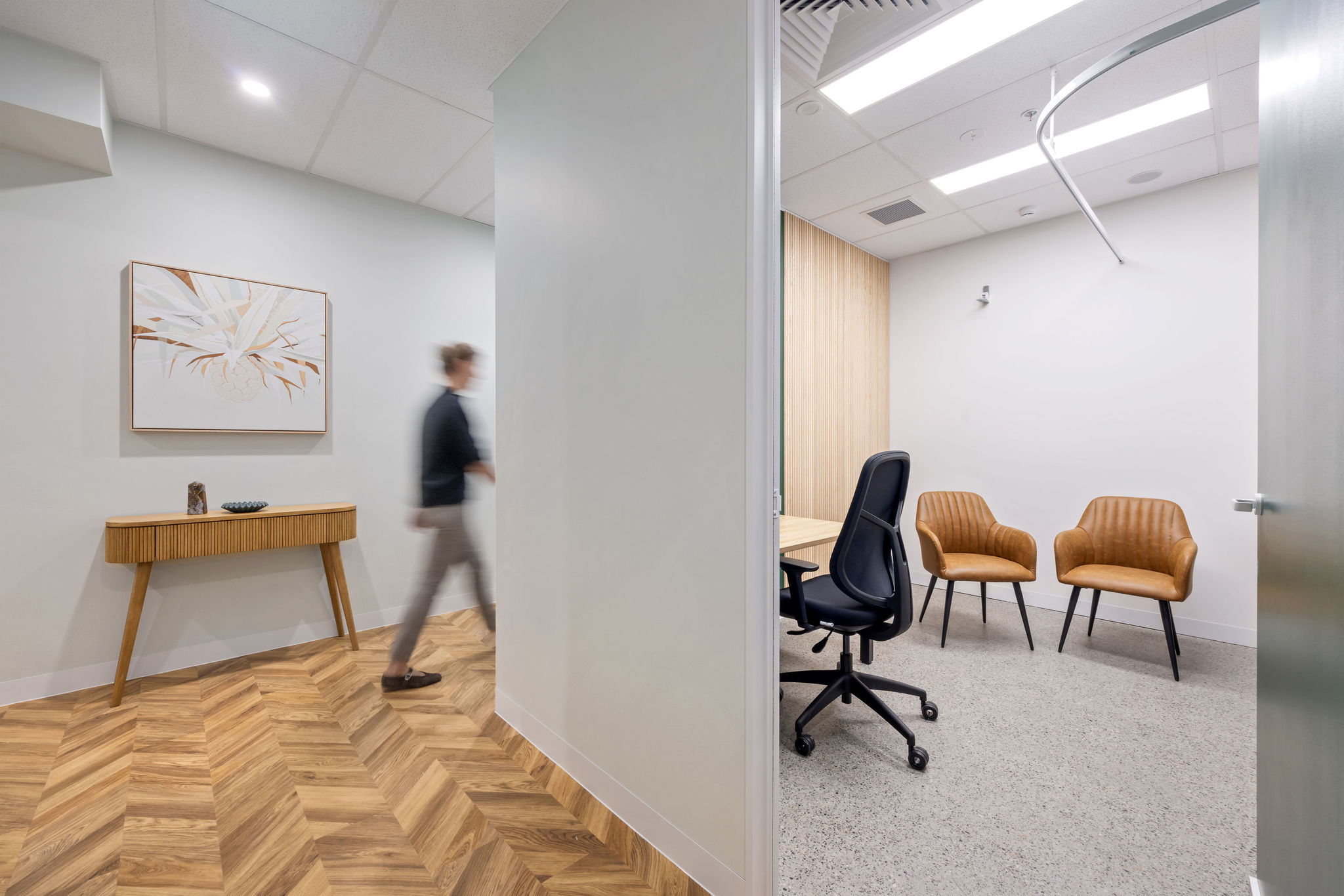
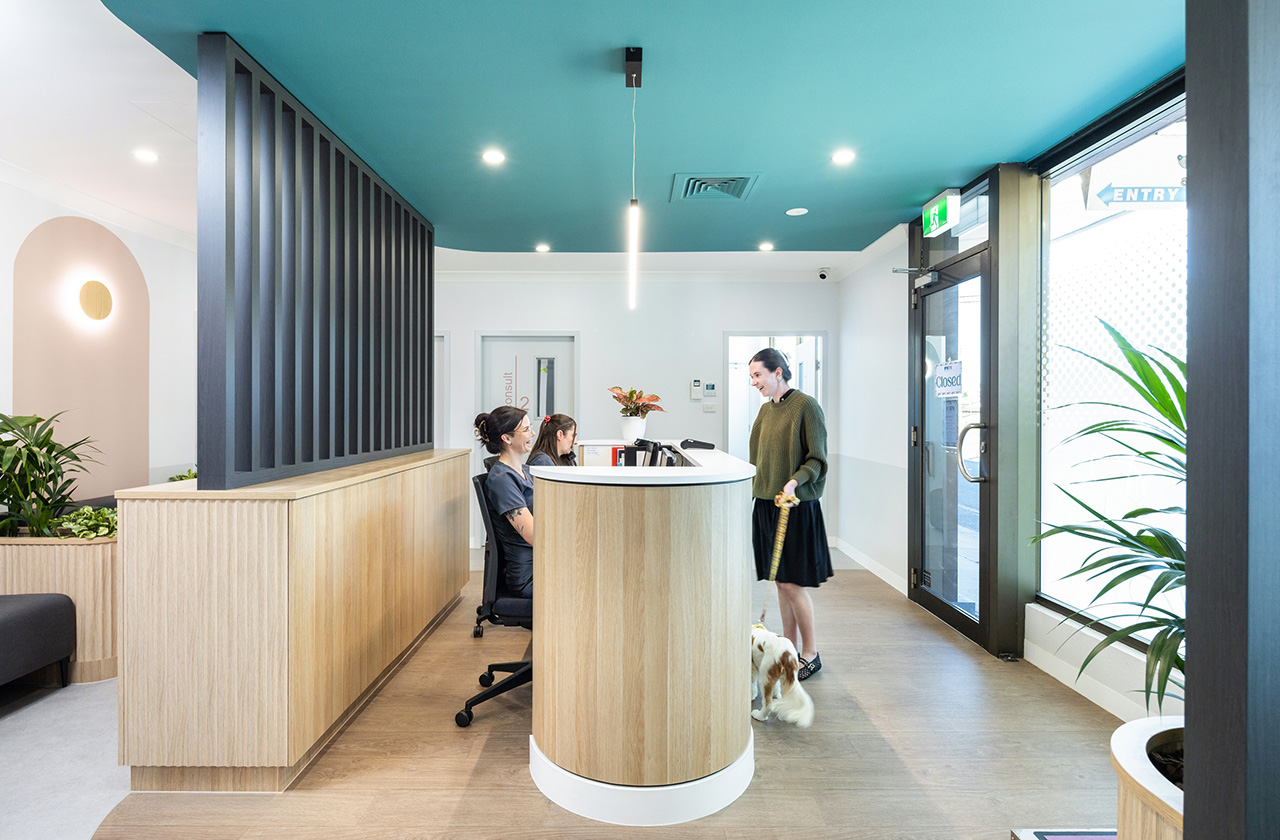
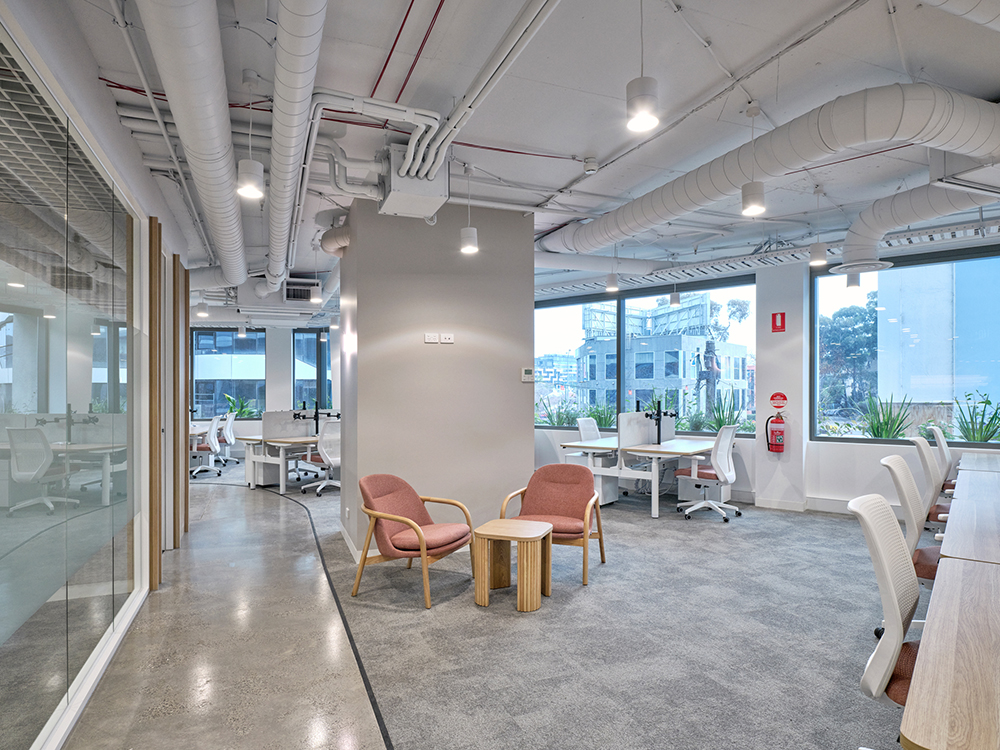
The workplace fit-out encompasses both spatial and environmental design. Spatial design focuses on the functional aspects. For example, how many meeting rooms do you need now and in the future? What mix of private and open-plan office space? What is the best way to provide break-out space, quiet zones and other people-centric zones? Which codes and regulations do you need to follow? Spatial design underpins the entire workplace flow.
The environmental design focuses on the emotional aspects of the workplace fit-out. What do your staff and visitors need and expect? How will your physical environment attract the demographics and calibre of people you seek? Does your fit-out reflect your brand and image?
If you create a well-place™, you will cultivate an environment designed to enable people to ‘do well’. It will support physical and mental health while engaging and motivating staff to be their best and most productive selves. A great reference source is the global WELL Building Standard™, which was developed by practitioners, public health professionals and building scientists around the world. It has ten concepts that help companies deliver more thoughtful and intentional spaces to enhance human health and well-being. Those concepts are Air, Water, Nourishment, Light, Movement, Thermal Comfort, Sound, Materials, Mind and Community.
It is important to engage an experienced workplace design and fit-out partner who understands people-centric design and the WELL principles. As well as the core spatial elements of design, a people-centric fit-out partner will help you create a people-centric emotional journey.
At Evoke Projects, we ensure every aspect of the workplace fit-out supports those who use it. Find out more about well-spaces, spatial and environmental design by calling our workplace design and fit-out team on 1300 720 692.