Equity ensures fairness and accessibility
An essential part of the design process is making sure that workplaces are accessible to all visitors and staff, regardless of their age or physical ability. This means putting people at the heart of design decisions.
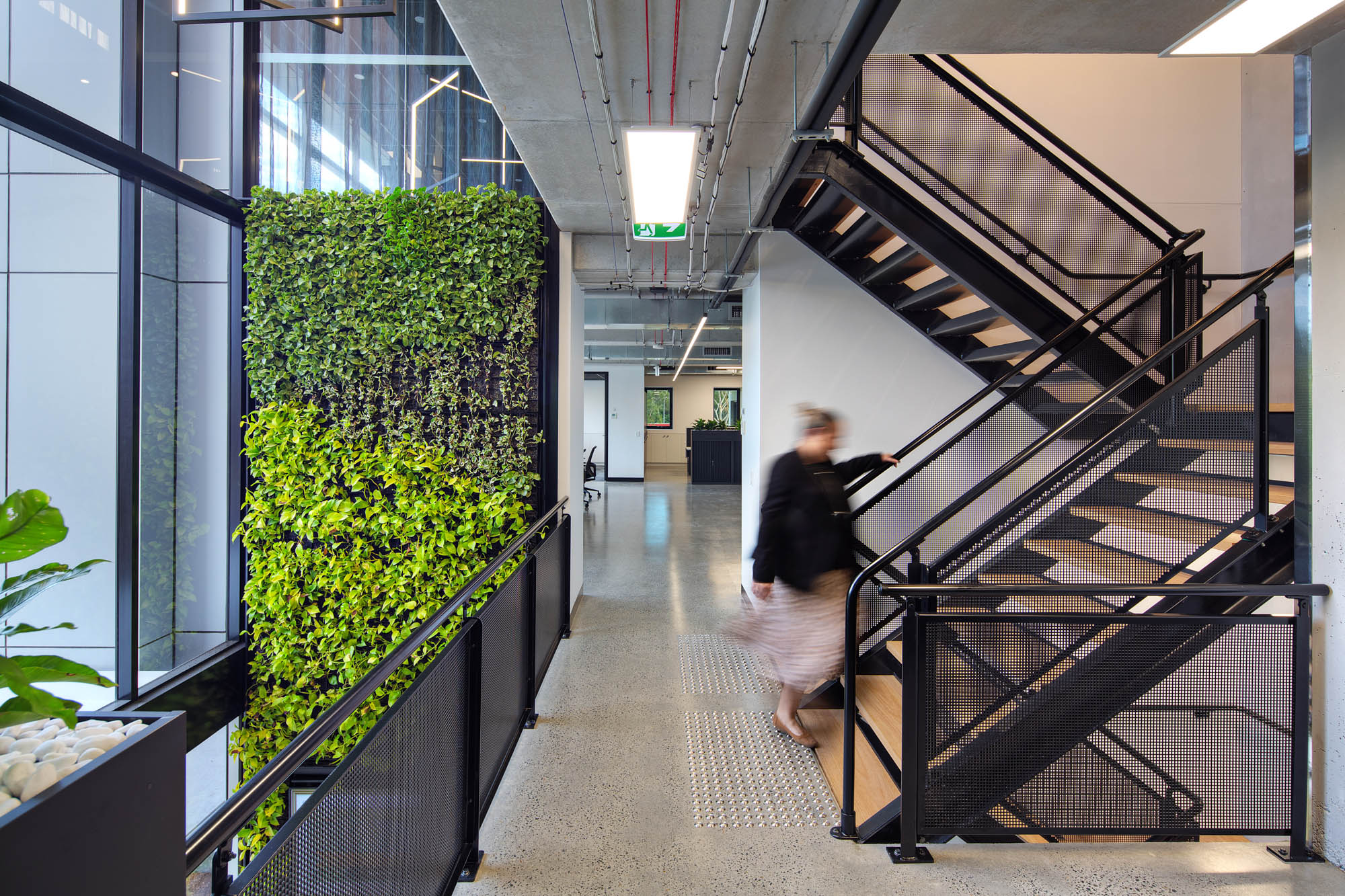
- Accessibility first: When designing a workplace, it is important to plan spaces that meet the diverse needs of people. Ensure there are wheelchair ramps, accessible toilets or adequate space for individuals with mobility aids so that the environment accommodates everyone. Include features like wide doorways and tactile indicators to help all people navigate the space.
- Environmental considerations: Sustainable choices are crucial in creating equitable spaces. Choose eco-friendly, non-toxic materials and employ energy-efficient systems to reduce the environmental impact of the building and its occupants. Sustainable design not only benefits the environment but also ensures a healthier atmosphere for clients and staff.
Equity in representation and cultural sensitivity
Ensuring that diverse cultural perspectives are represented in workplace design is essential for fostering inclusivity.
- Incorporate diverse perspectives: This might include using artwork that represents diverse cultures, providing multilingual signage or ensuring that communication materials are culturally relevant and accessible.
- Avoid stereotypes: Involve community or cultural centres in the workplace design process to ensure you avoid stereotyping different cultures.
- Align design with policy: If your company celebrates cultural occasions or supports prayer and reflection, ensure your spatial design includes the rooms that will be required to honour this commitment.
Inclusion empowers clients and staff
Inclusive design is about creating spaces where all people feel welcome, valued and empowered. In workplaces, this means creating environments where staff are supported in their work.
Inclusive design features
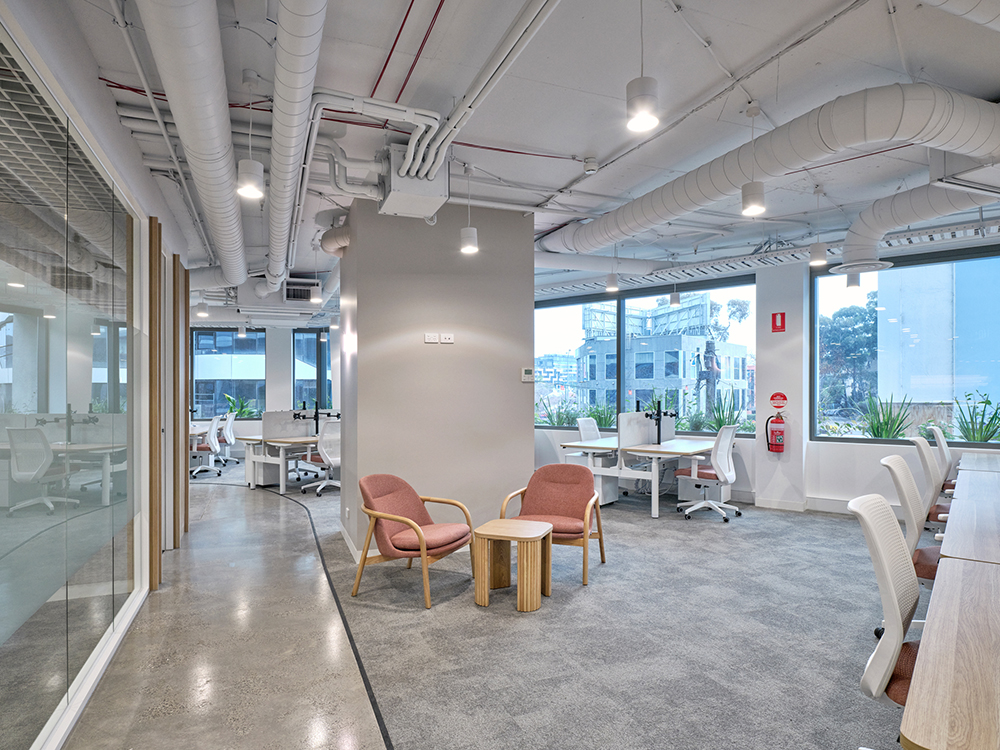
- Flexible spaces: Flexibility in a workplace allows spaces to be reconfigured to meet changing needs. For example, modular furniture can be rearranged to accommodate different activity and zone requirements. Partitions give more flexibility than fixed walls.
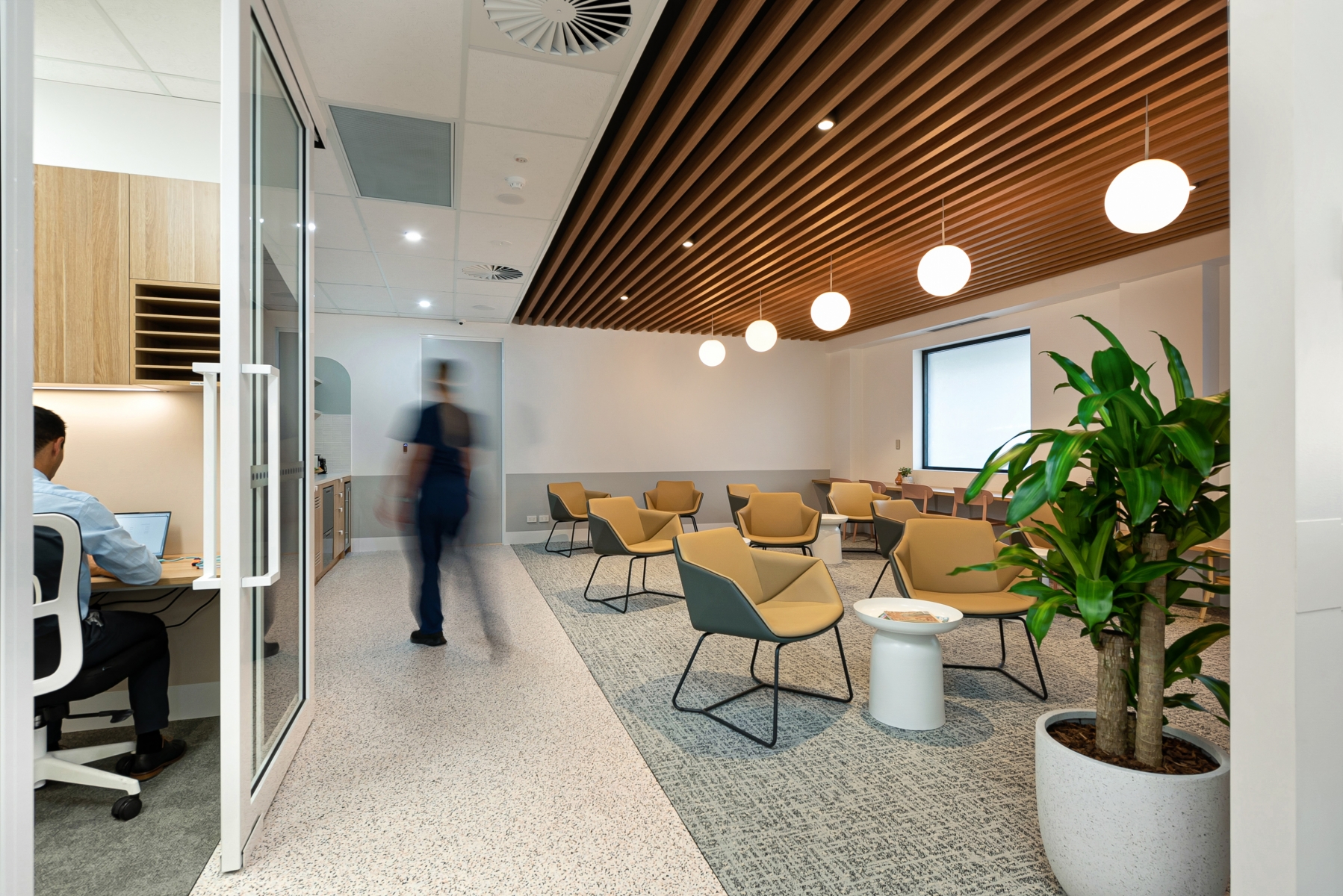
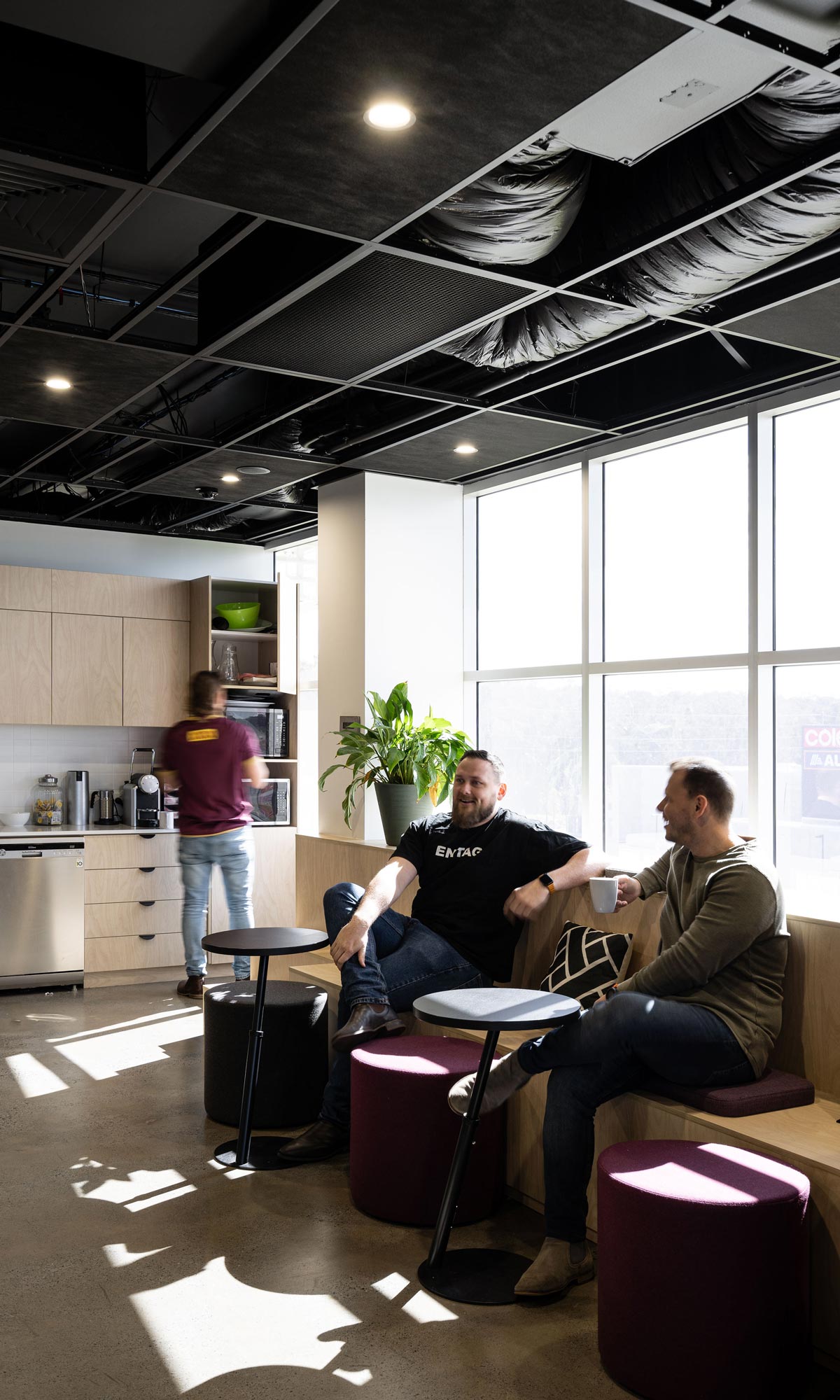
- Staff support: The design of a workplace should support staff well-being. By creating staff lounges, private areas for reflection and spaces for team collaboration, staff will be comfortable, supported and able to do their best work. Breakout spaces can be used for brief breaks, training or downtime during busy schedules.
- Wellness spaces: Incorporating wellness spaces within a workplace is great to support staff. Creating designated areas for meditation or relaxation means all workers have an opportunity to take time for wellness. Busy lives outside work often prevent people taking time for themselves, particularly those with family commitments.
- Comfortable surroundings: Lighting, acoustics and temperature should be comfortable for a wide range of sensitivities.
Designing workplaces for people
At Evoke Projects, we emphasise people-centric design, meaning that every element of the workplace is tailored to the needs of its users. We engage with staff throughout the design and fit-out process to gather insights and ensure the final space works effectively for everyone.
Find out more by calling the Evoke Projects workplace design and fit-out team on 1300 720 692.