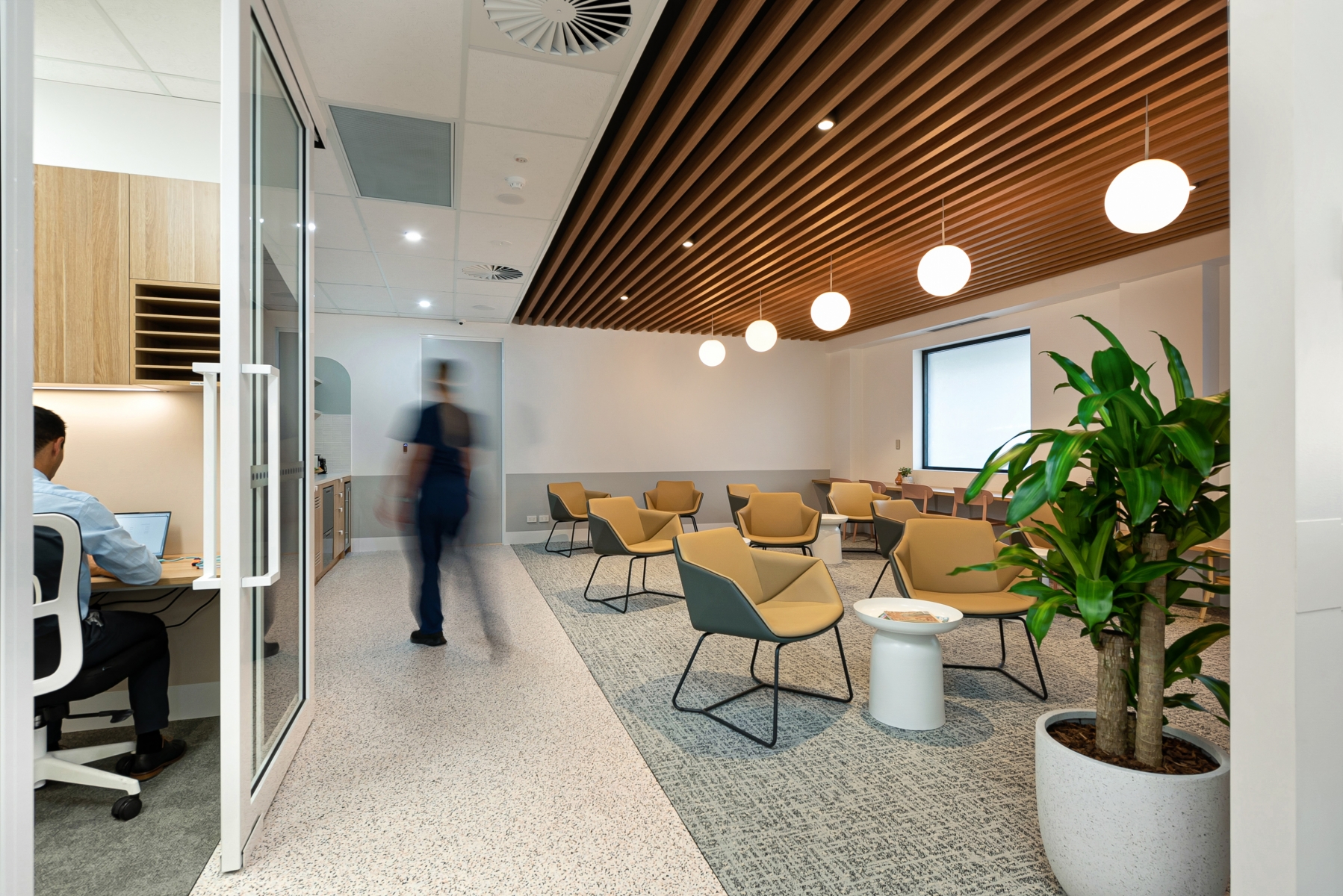


Owners and pets will have reduced stress and anxiety, giving them a more positive experience. This improves health outcomes and will lead to word of mouth referrals and loyalty to your clinic.
Your team will enjoy increased job satisfaction, a better work culture and improved wellbeing, leading to higher productivity and efficiency.
Ultimately, your vet clinic will have an enhanced reputation that attracts and retains the best talent and brings in more clients. Day to day, there will be better clinic flow and efficiency. This means increased revenue and profits and a more successful business.
There are three aspects to a heart-centric vet practice.
The culture of a vet practice comes from the top. Leaders set the tone in language, attitude and respect. This behaviour flows through the entire practice culture. Communicate your business mission and goals. Encourage collaboration, honest feedback and respect. By showing people that they are valued, they value others too. Clear communication, empathy and actively listening to staff will set the tone for client and animal care that is always respectful and supportive.
When your team are trying to perform at their best, don’t thwart them with a computer or a system that says no. Involve staff in process design and technology decisions. Lean principles will minimise waste and create more efficiency. Standardised systems and processes will reduce the room for error and risk. Continuous improvement means your clinic will constantly evolve and become more efficient.
When planning a new vet practice fit-out, it can be tempting to focus on the design and aesthetics. It’s visible and exciting! Integrating technology into the veterinary design from the start will pay dividends later. Early collaboration between your practice designers, vet team and IT/electrical specialists will ensure that technology supports your client and pet needs, workflow and compliance requirements.
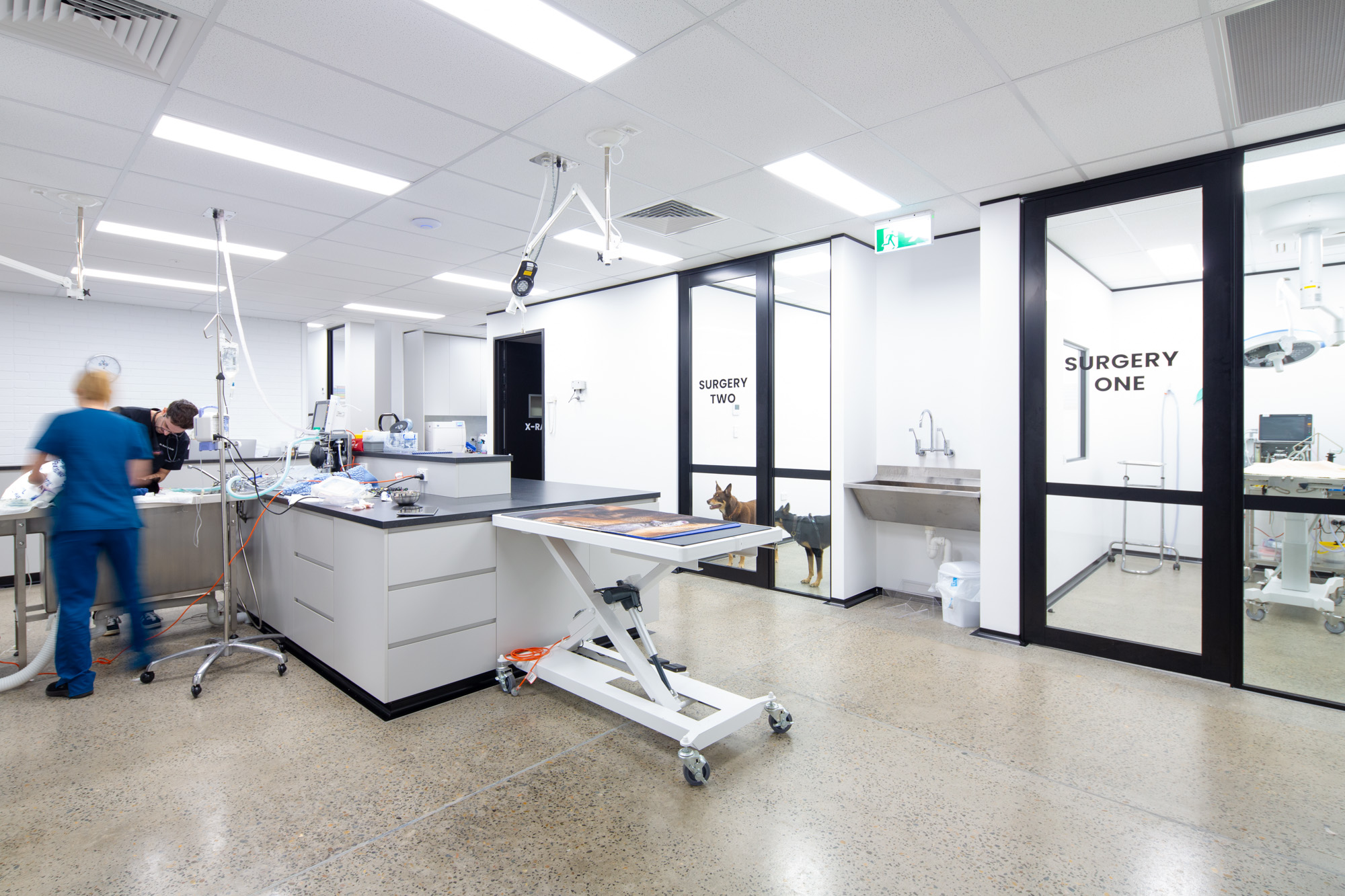
The vet practice fit-out encompasses both spatial and environmental design. Spatial design focuses on the functional aspects. For example, how many treatment and consulting rooms do you need now and in the future? What equipment do you need? Which codes and regulations do you need to follow? Spatial design underpins the entire practice flow.
The environmental design focuses on the emotional aspects of the veterinary fit-out. Who is your target market? What do they need and expect? How will your physical environment attract the demographic audience you seek? Does your fit-out reflect your brand and image?
If you create a well-place™, you will cultivate an environment designed to enable people to ‘do well’. It will support physical and mental health while engaging and motivating staff to be their best and most productive selves. A great reference source is the global WELL Building Standard™, which was developed by practitioners, public health professionals and building scientists around the world. It has ten concepts that help businesses deliver more thoughtful and intentional spaces to enhance health and well-being. Those concepts are Air, Water, Nourishment, Light, Movement, Thermal Comfort, Sound, Materials, Mind and Community.
It is important to engage an experienced veterinary design and fit-out partner who understands heart-centric design and the WELL principles. As well as the core spatial elements of design, a heart-centric fit-out partner will help you create a heart-centric emotional journey. For clients and pets, this means a positive emotional experience. For staff, this means providing facilities that they cannot get elsewhere, such as rejuvenation spaces.
At Evoke Projects, we ensure every aspect of the veterinary fit-out supports those who use it. Find out more about well-spaces, spatial and environmental design by calling our veterinary design and fit-out team on 1300 720 692.