

Most healthcare leaders can tell you what keeps them awake at night. Finding and retaining great people. Managing growing patient expectations. Improving operations. Creating an experience that reflects the quality of care they provide.
But often forgotten is the healthcare environment itself, even though the spaces where people spend time affect them deeply. The physical environment shapes first impressions. It supports (or hinders) productivity, influences wellbeing and contributes to how people feel, long after they’ve left the building.
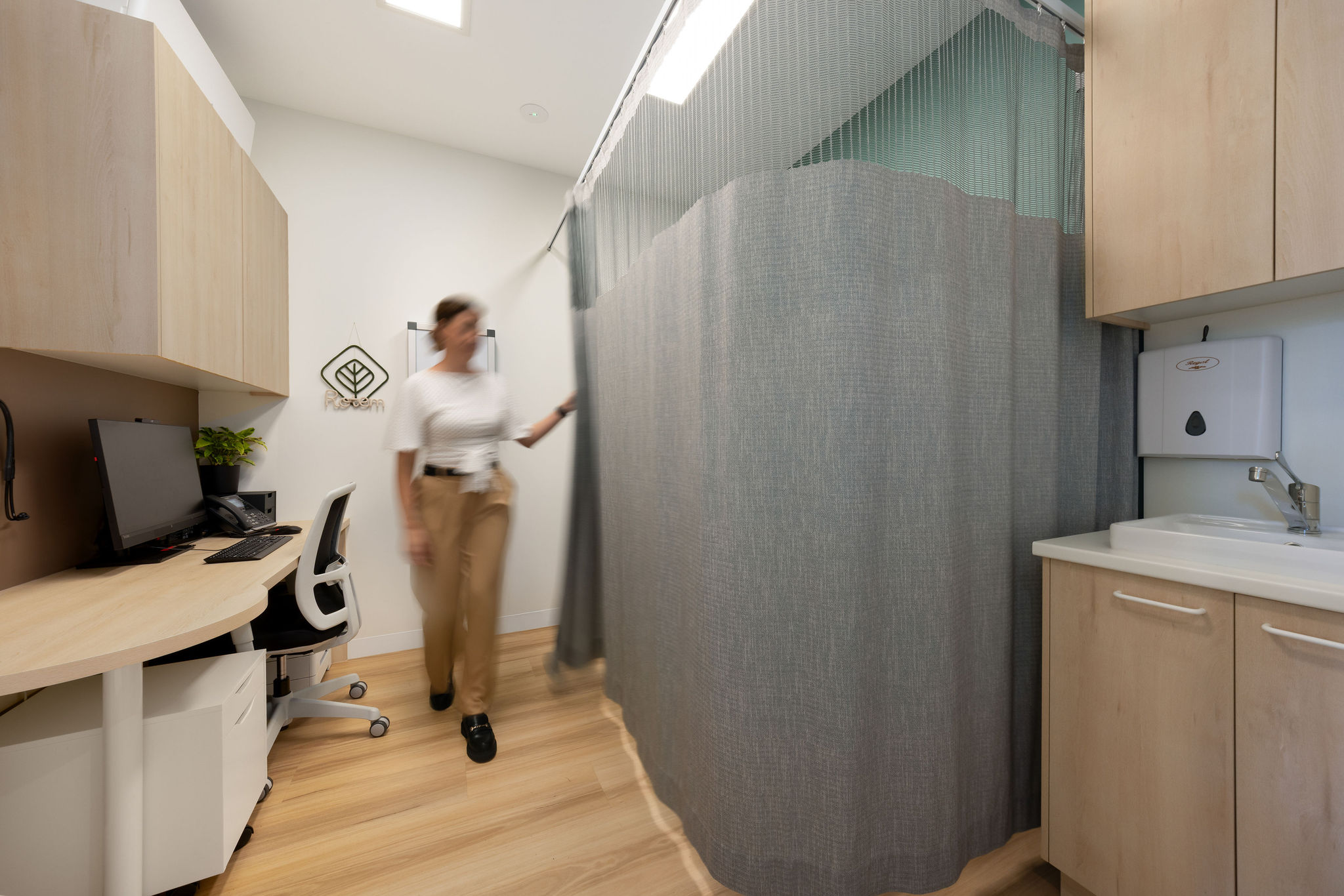
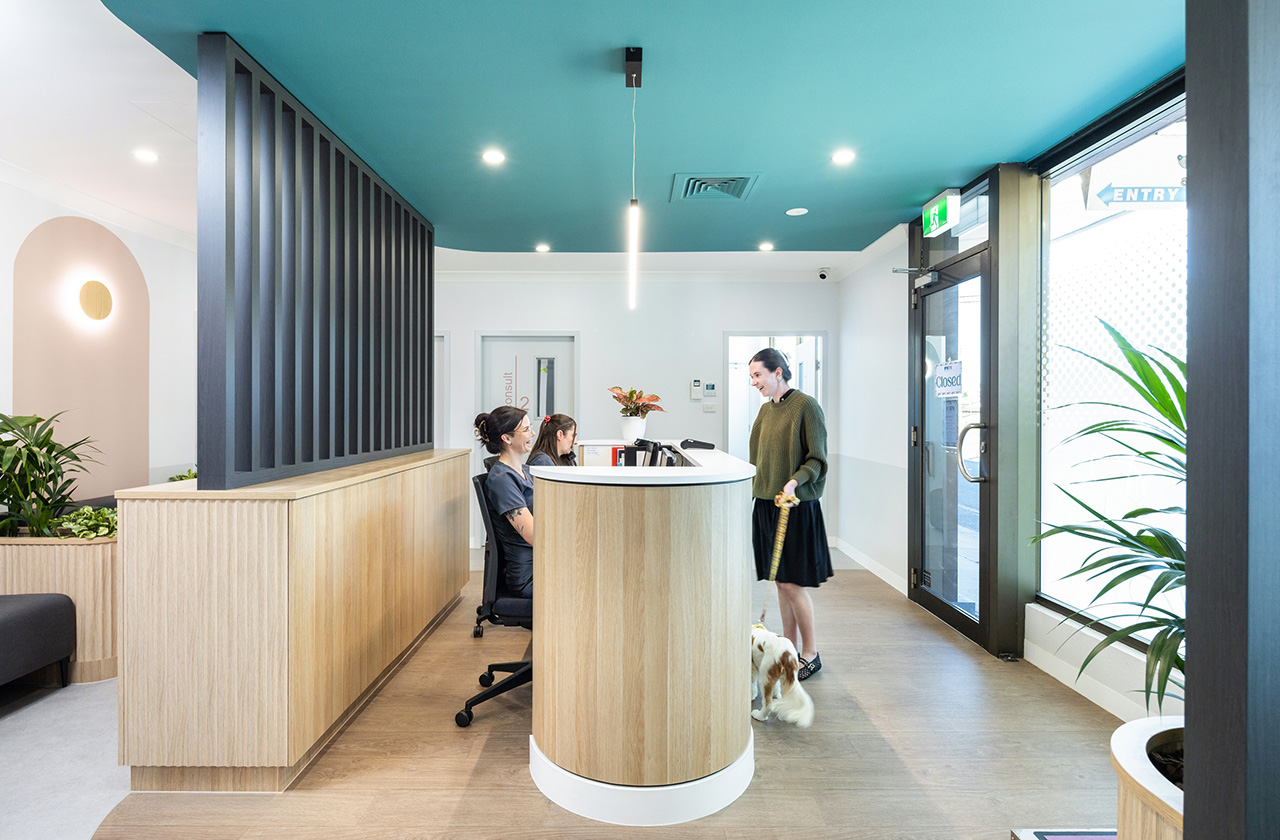
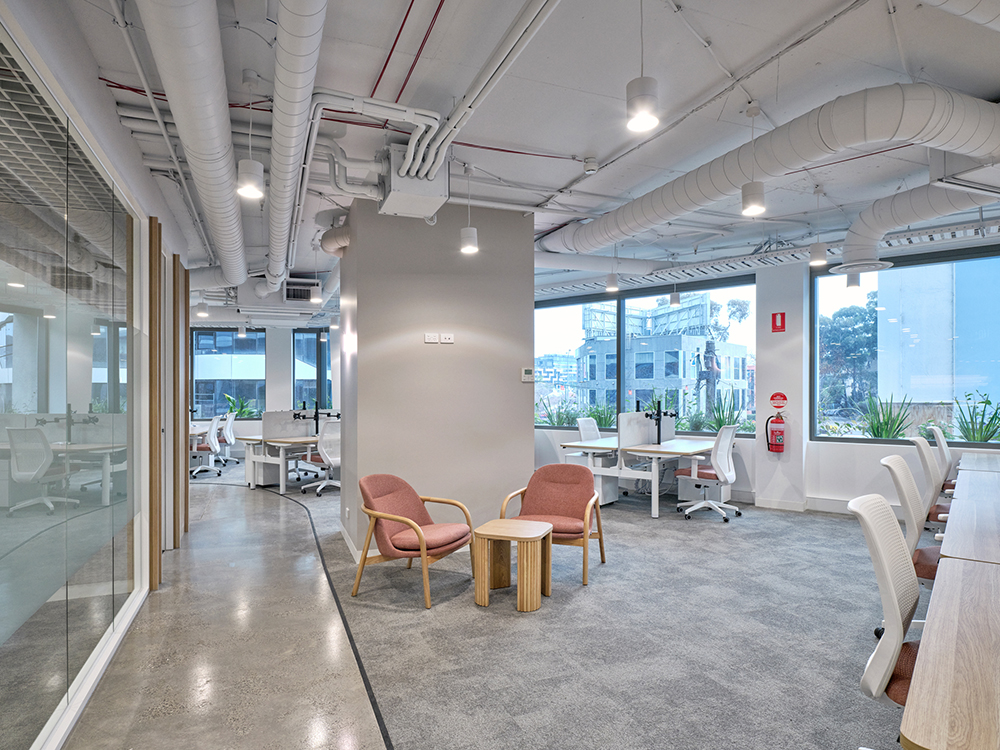
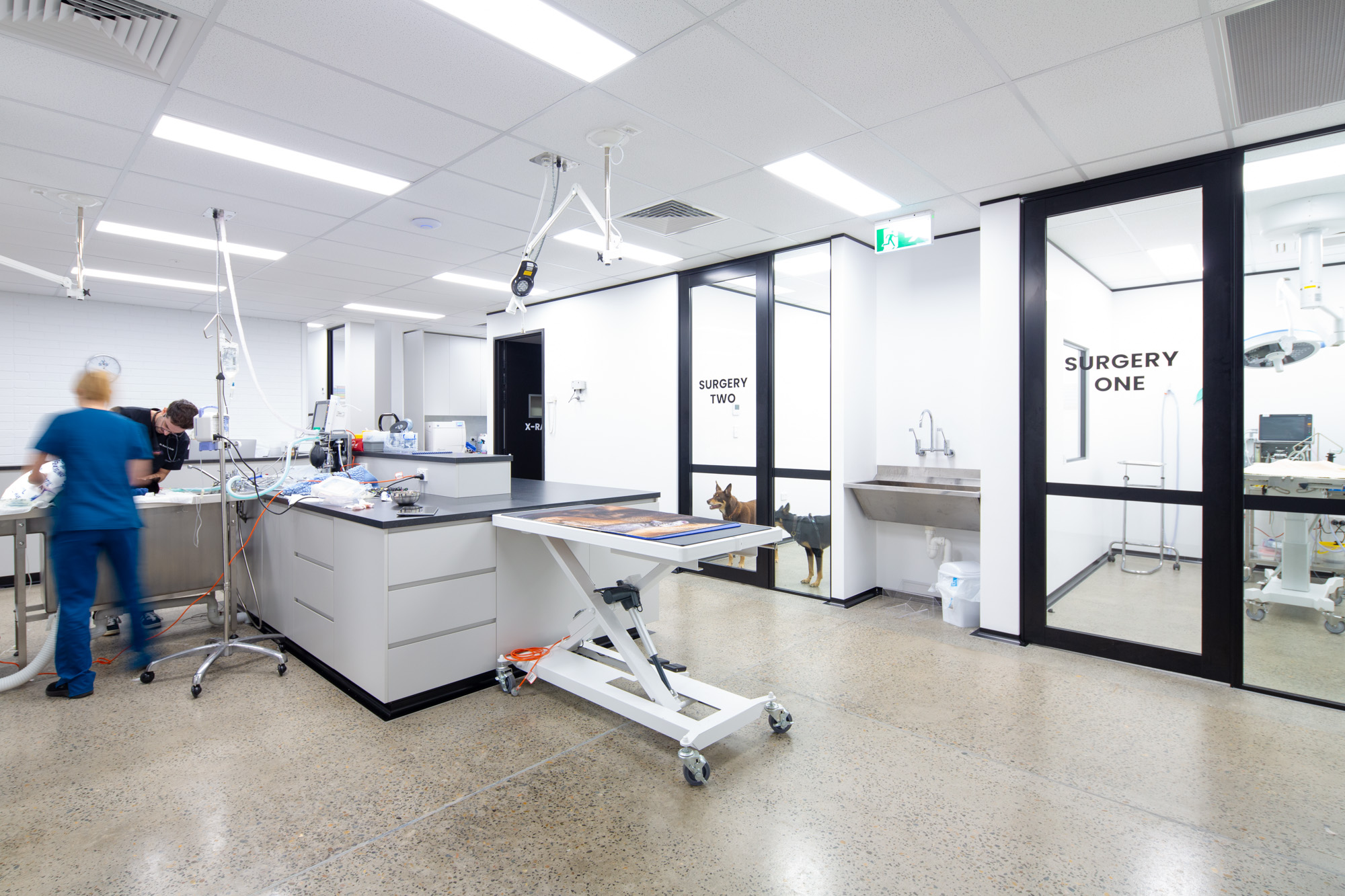
Healthcare investment tends to focus on technology, systems and processes to drive change. Yet one of the most influential success factors is hiding in plain sight: the environment itself. The way a space sounds, feels, flows and functions is important. While no single medical design decision changes an outcome, the cumulative effect of hundreds of small decisions can be significant.
At Evoke, we’ve spent years designing and delivering medical fit-outs across Australia. Over this time, one thing has become increasingly clear: the most successful spaces aren’t necessarily the most expensive, the most architecturally ambitious or the most technologically advanced. Simply put, successful spaces are designed around the people who use them.
It’s a belief that’s shaped our thinking for years and eventually became one of the foundational pillars of our brand. We design Well-Places™.
At its heart, a Well-Place™ is an environment intentionally designed to help people do well within it. It’s where space and people come together to create a place that supports wellbeing, performance and connection.
Jerry Kennard, Director of Evoke, explains, “The idea itself is simple. We believe people are the product of their environment. When a medical fit-out provides the right support for the people within it, good things tend to happen. Teams work better together. Patients feel more comfortable and confident. Workflows become smoother. And when experiences improve, the outcomes follow.”
While every healthcare organisation is different, the underlying principle remains the same. The environment isn’t simply where healthcare happens. It’s part of the experience itself.
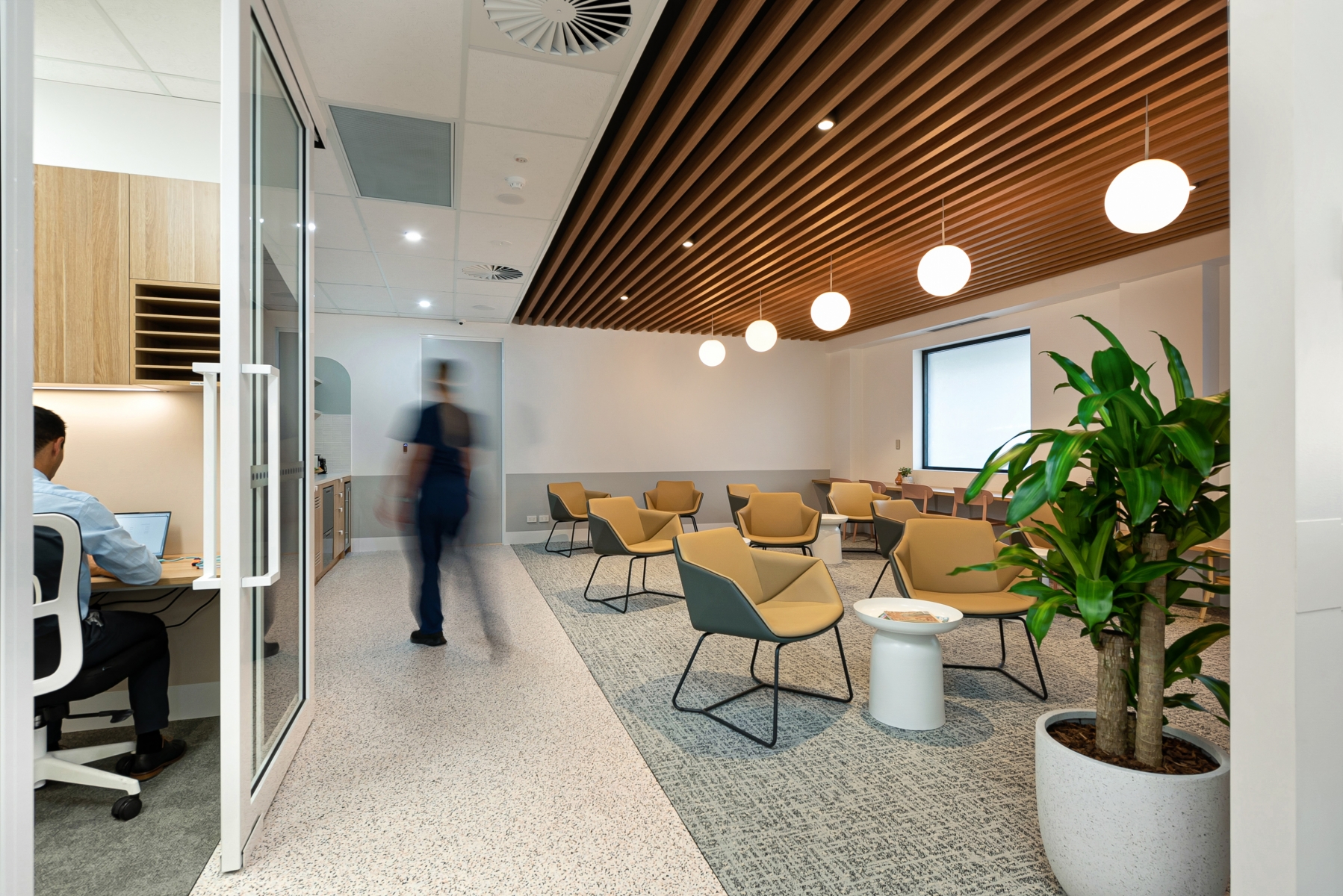
Think about the last healthcare facility you visited that wasn’t your own. You probably noticed more than you realised. Was it easy to find your way around? Did the space feel calm and welcoming? Was there natural light? Were conversations private? Did the environment feel safe, considered and cared for?
Now think about your staff. The physical environment is far more than a backdrop to their working day. It’s the place they solve problems, care for patients, collaborate with colleagues and navigate the challenges of a busy healthcare setting.
Over time, the quality of that environment can influence everything from focus and productivity to morale, wellbeing and ultimately staff retention.
Importantly, a Well-Place™ isn’t defined by a single feature or design choice. There isn’t one product, layout or piece of technology that magically creates a better environment. Instead, we’ve found that the most successful spaces function more like ecosystems, where multiple elements work together to influence the overall experience.
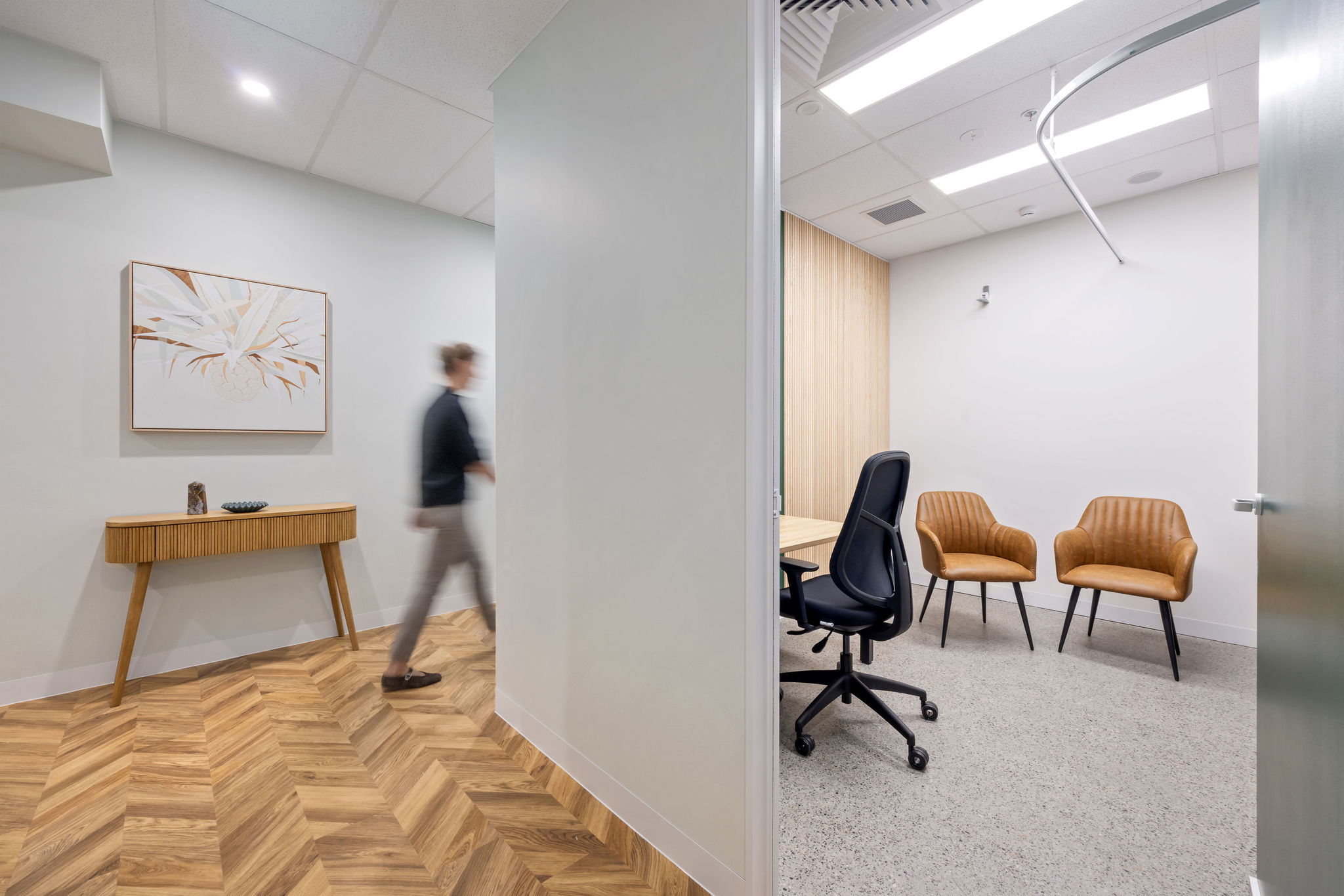
As Rebecca Reid, Head of Design at Evoke, explains: “As designers we’re never looking for a single feature that’s going to transform a healthcare environment. The best outcomes come from understanding how every element works together. Natural light, acoustics, privacy, intuitive circulation, staff retreat spaces and the small details that support comfort all influence how people feel and function throughout the day. On their own each decision might seem minor but together they create an environment that reduces stress, supports wellbeing and helps both staff and patients have a better experience. That’s where thoughtful healthcare design creates real value, not through one standout feature but through the cumulative impact of hundreds of connected decisions.”
Through our work on medical fit-outs, we’ve identified ten key practices that consistently contribute to creating Well-Places™. They include elements such as air, water, light, movement, nourishment, community, mind, sound, materials and thermal comfort.
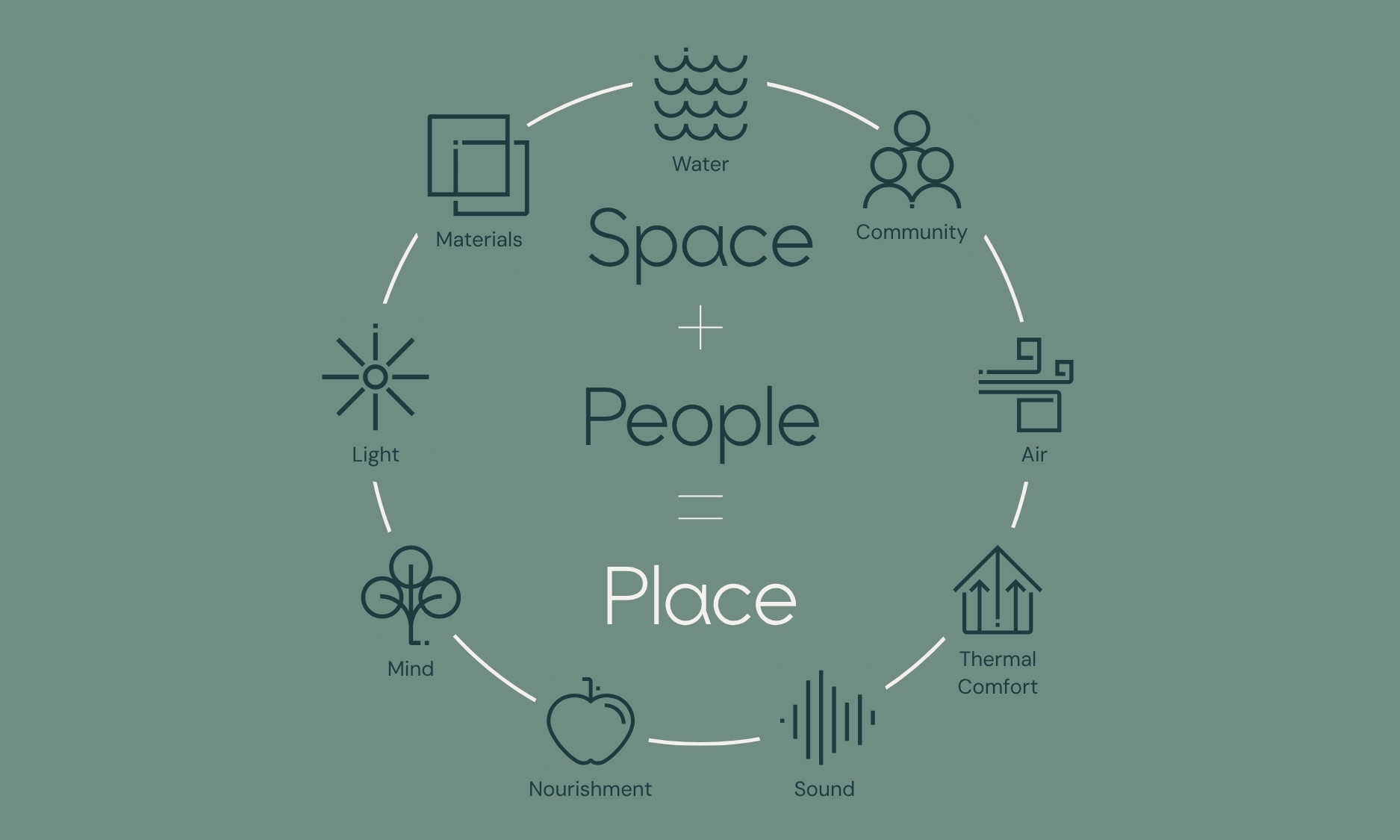
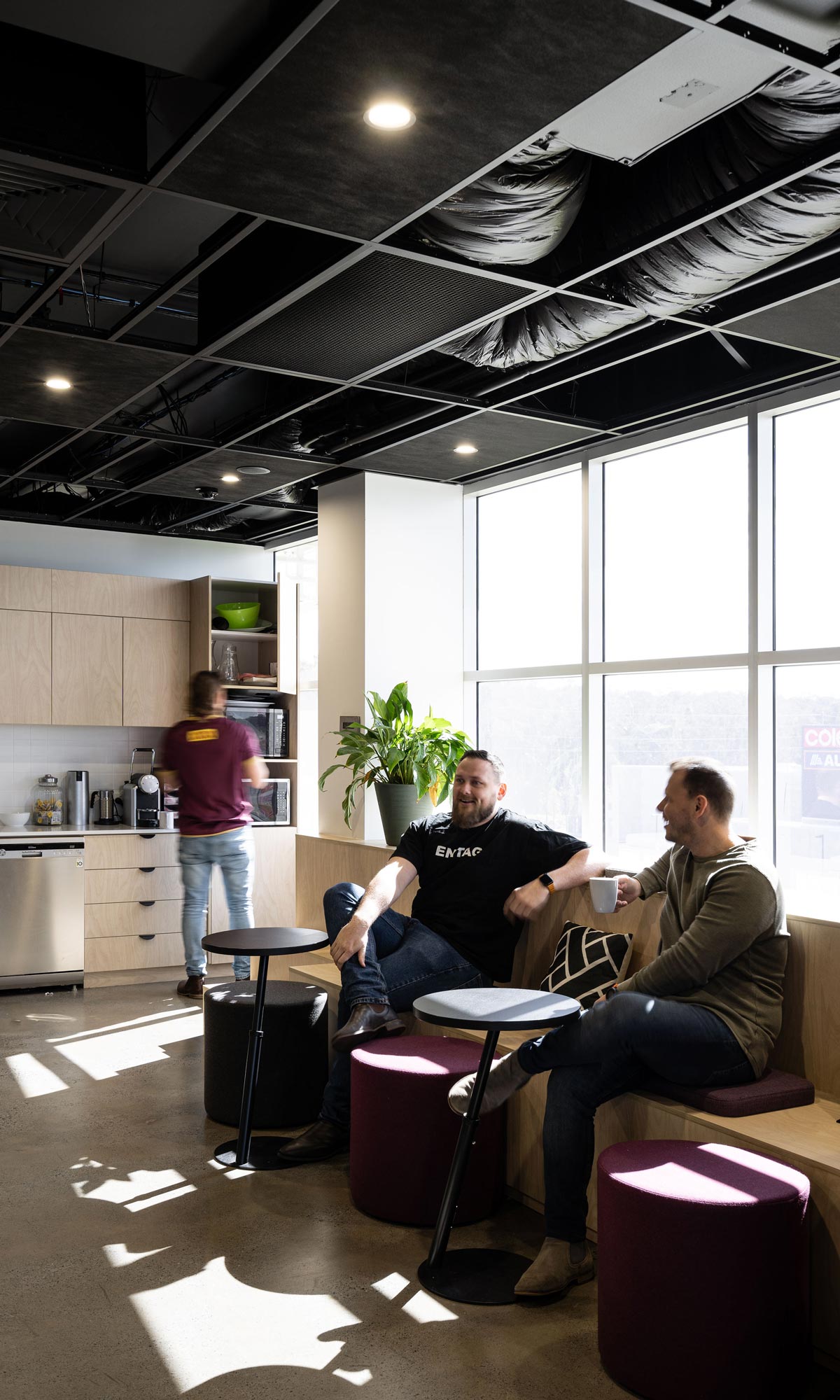
Some elements of this ecosystem support physical wellbeing, such as air quality, movement, thermal comfort and access to natural light. Others influence emotional wellbeing and connection, including community, sound and the spaces that encourage people to pause, interact and recharge. Individually, they may seem small. Together, they shape how people experience a space every day.
Natural light can improve comfort and energy levels, but on its own it won’t create a positive workplace culture. Strong community connections can improve engagement, but they need to be supported by spaces that encourage interaction.
The true value lies in how the elements work together.
While the quality of care will always be the most important factor, the healthcare environment plays a bigger role than many leaders realise.
The industry is facing increasing pressure to attract and retain talent. Patient expectations continue to evolve. Organisations are looking for ways to improve efficiency without compromising care. At the same time, wellbeing has become a genuine business consideration rather than a nice-to-have initiative.
The ecosystem has never been more important.
A thoughtfully designed workplace is an asset that supports staff satisfaction and retention. It improves patient experiences and perceptions of care. While the environment alone won’t solve every challenge, it plays an important supporting role.
At Evoke, that’s what makes this conversation so important. When we begin working with healthcare organisations, our first questions rarely focus on finishes, colours or furniture for the medical fit-out. We’re more interested in understanding how people use the space, what challenges they’re experiencing and what success looks like for the organisation. We want to understand the patient journey, the staff experience and the operational realities that shape day-to-day life.
Because ultimately, that’s what a Well-Place™ is about. It’s not about creating beautiful spaces for the sake of it. It’s about creating environments that help people thrive.
This article is the first in a series exploring the Well-Places™ ecosystem. In the coming months, we’ll take a closer look at each of the ten practices and explore how the medical fitout and environment supports patients, practitioners, teams and communities.
If you’d like to learn more about the Well-Places™ philosophy or discuss how your environment can better support the people who use it, we’d love to hear from you.